A customer brings in a hybrid with a warning light, weak cabin cooling and an intermittent no-start condition. The high-voltage battery may be the first suspect, but the fault could sit in the 12-volt battery, cooling circuit, wiring, charging system or a sensor. This is the practical reality of vehicle electrification: it changes the vehicle, but it does not remove the need for disciplined diagnosis, quality replacement parts and dependable supply.
For workshops, dealers and fleet support buyers, the opportunity is significant. Electrified vehicles create new service requirements while retaining many familiar wear-and-tear categories. The businesses that prepare now will be better placed to repair vehicles accurately, protect customer confidence and reduce avoidable downtime.
What vehicle electrification means in the workshop
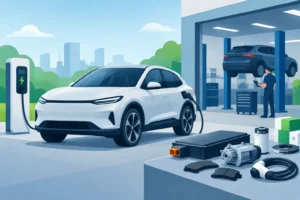
Vehicle electrification covers more than fully electric cars. It includes mild hybrids, full hybrids, plug-in hybrids and battery electric vehicles. Each uses electrical power differently, and that difference affects service procedures, parts demand and technician training.
A mild hybrid usually retains an internal combustion engine but adds a small battery and motor-generator to support starting and acceleration. Full and plug-in hybrids combine an engine with an electric drive system, while a battery electric vehicle relies entirely on electric propulsion. A workshop should never assume that similar-looking models have the same isolation procedure, cooling layout or component specification.
This is why accurate vehicle identification matters. Registration details alone may not be enough when a model range includes petrol, hybrid and electric variants. Confirm the vehicle identification number, battery voltage system, drivetrain configuration and original-equipment part number before ordering. Correct fitment protects workshop time, avoids returns and helps maintain the vehicle’s safety systems as designed.
The parts demand is changing, not disappearing
Electrified vehicles have fewer engine-related service parts, particularly in fully electric models. There are no conventional spark plugs, engine oil filters, timing belts or exhaust components to replace on a battery electric vehicle. However, the wider aftermarket remains essential because every electrified vehicle still depends on a broad range of service, body and chassis components.
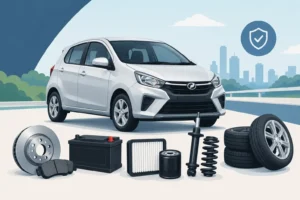
Suspension, steering, wheel bearings, shock absorbers, tyres, wiper systems, lighting, mirrors, body panels, cabin filters, brake components and cooling parts remain critical. In many cases, they face different operating demands. Battery electric vehicles are often heavier than comparable combustion vehicles, which can increase loading on tyres, suspension and braking components. Instant torque can also expose weaknesses in worn driveline parts.
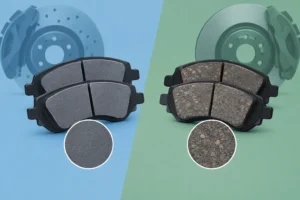
Regenerative braking can reduce friction brake wear, but it does not eliminate brake servicing. Brake discs and pads may be used less frequently, particularly in urban driving, yet corrosion, seized caliper slides and degraded brake fluid remain genuine concerns. Workshops should inspect brakes on time rather than relying only on apparent pad thickness.
Thermal management is another major growth area. Batteries, power electronics and electric motors operate within carefully controlled temperature ranges. Depending on the vehicle, the system may include radiators, pumps, hoses, valves, fans, heat exchangers and specialised coolant. A small leak, an incorrect coolant specification or a poor-quality replacement component can affect range, performance, charging speed and component life.
Electrical reliability still begins with the 12-volt system
One common misunderstanding is that a high-voltage traction battery makes the 12-volt battery less relevant. In practice, the low-voltage system remains central to vehicle operation. It powers control modules, locks, lighting, displays, safety systems and the electronics needed to initiate the high-voltage system.
A weak 12-volt battery can create misleading fault codes and leave an otherwise healthy electric or hybrid vehicle unable to start. Testing battery condition, charging performance, cable connections and earth points should remain a standard part of diagnosis. Replacement batteries must match the vehicle’s required technology and capacity, particularly where an absorbed glass mat battery or enhanced flooded battery is specified.
Electrical faults also demand a more methodical process. Replacing parts based on a single diagnostic code is rarely good practice. Technicians need to verify live data, inspect connectors for corrosion or damage, check wiring integrity and follow manufacturer repair information. This may take longer than a simple component swap, but it prevents repeat repairs and protects the workshop’s reputation.
Safety procedures are a business requirement
High-voltage systems introduce hazards that cannot be managed through ordinary workshop habits. Orange cables, battery packs and inverter assemblies must be treated as high-voltage components unless the vehicle manufacturer’s procedure confirms otherwise. Isolation, lock-out processes, suitable personal protective equipment and clearly defined work areas are essential.
The required level of training depends on the work being carried out. A technician performing routine work around an electrified vehicle requires awareness of high-voltage risks. Anyone isolating a system or repairing high-voltage components needs appropriate competence, equipment and documented procedures. It depends on the vehicle and task, but no workshop should allow staff to work beyond their training.
There is also a commercial reason to take this seriously. Fleet managers and private owners need confidence that their vehicles are being handled correctly. A workshop that can explain its safety process clearly demonstrates professionalism, reduces liability exposure and builds long-term trust.
Stocking for vehicle electrification without tying up capital
For parts distributors and independent workshops, preparation does not mean filling shelves with every electric vehicle component. High-voltage batteries, drive motors and inverters can be expensive, application-specific and unsuitable for broad stockholding. A better strategy is to identify the categories that turn regularly across hybrid and electric parc growth.
Priority should usually be given to dependable service parts, thermal management components, braking parts, suspension items, filters, lighting and electrical accessories with verified fitment. Stock decisions should be based on local vehicle population, workshop repair history, fleet contracts and supplier lead times rather than headlines about electric vehicle sales.
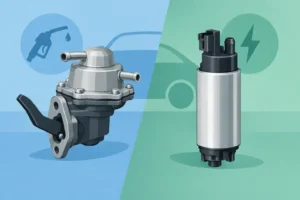
Quality control becomes even more valuable as systems become more interconnected. A low-cost cooling pump, sensor or charging-related component that fails early can create diagnostic complexity far beyond its purchase price. Trade customers need consistent specifications, clear application data and suppliers who can support correct part selection. With more than 30 years of aftermarket experience, Multi Top understands that reliable availability and accurate support are as important as the part itself.
Hybrid vehicles may drive the near-term opportunity
Fully electric vehicles attract most public attention, but hybrids may create the most immediate servicing opportunity for many independent businesses. They combine conventional maintenance needs with additional electrical and thermal systems. A hybrid may still require oil and filter changes, air filters, cooling components, belts, brake servicing and suspension repairs alongside electrical diagnosis.
This makes hybrids a useful transition point for workshops building confidence in electrified vehicle service. Teams can develop safe working practices and diagnostic capability while continuing to use familiar repair processes. It also gives parts buyers a clearer view of which categories are changing in real-world demand.
The pace will vary by region, customer type and vehicle age. A city fleet with frequent stop-start use will see a different repair pattern from a rural business running long-distance vehicles. The right response is not a single stock list or training plan, but a measured approach built around the vehicles actually entering the workshop.
Build capability around diagnosis and supply confidence
Vehicle electrification rewards businesses that connect technical skill with reliable procurement. Workshops need accurate diagnostic equipment, current repair information and technicians who understand safe isolation. Dealers need product data, dependable supply partners and the ability to advise customers with confidence. Fleet buyers need maintenance plans that account for both conventional wear items and electrified-system checks.
The strongest operating model is practical: record the electrified vehicles being serviced, track the parts and faults that recur, review returns closely and build stock around proven demand. When a less common component is required, supplier responsiveness and correct fitment become the priority.
Electrified vehicles will continue to change the aftermarket, but the foundation remains familiar. Careful diagnosis, dependable parts, safe procedures and honest technical guidance will keep workshops productive and customers moving.